

Quick—what do a former aerospace engineer, a computer tech industry entrepreneur, and a trained geologist who spent most of his career traversing the globe to find rare earth substances all have in common? If you answered “they all now make fine wine in Colorado,” you’d be correct, though chances are
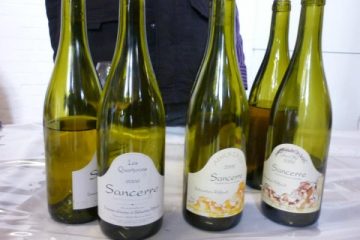
What information does the consumer want from the wine he's about to drink? Today's labels include the alcohol percentage, sometimes a little tasting note or some generic information on the winery—and more often than not the "contains sulfites" statement. Is this really enough or does the consumer want more information?

Quick! Name an Austrian wine. Did you say Grüner Veltliner? Take two points—and double that if you’ve drunk one in the last six weeks. Did you say Zweigelt? You just won a geek badge. Grüner is indeed the most widely grown grape variety in Austria, and there’s about as much
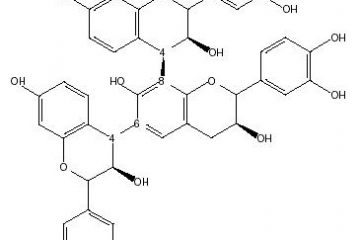
It’s a flavor! It’s a feeling! It’s an airplane! No, it’s astringency! On the surface, astringency seems like pornography. It’s easy to recognize, even if it’s difficult to define. The problem is that it isn’t really all that easy to recognize. In wine, astringency is easily and often confused with
By Rob Tebeau Originally published in Palate Press: The online wine magazine Many wine enthusiasts are aware that cabernet sauvignon is the result of a crossing that happened long ago between sauvignon blanc and cabernet franc, but have you ever wondered just how we know that? Why do we know

Arriving at night at an airport at the end of a journey, sometimes it’s hard to realize how remote a location you’re in until you start driving around the next day. This is what happened to me when I landed in Yerevan, the capital of Armenia, a few weeks ago.

I was reading a baseball chat last year with Keith Law, an ESPN writer who also answers cooking questions, when the following exchange came across (it's from memory, so might not be verbatim): Fan: Do all wine snobs always wave their pinkies in the air? Law: I drink beer, so
Imagine investing years of work developing and marketing a wine brand, and then being accused of infringing a deep-pocketed company’s trademark. It would stop you dead in your tracks. To minimize the risk of such claims, wineries regularly engage attorneys to review and register their brand names and logo designs.