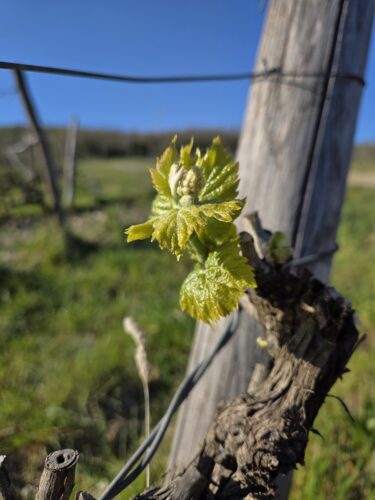
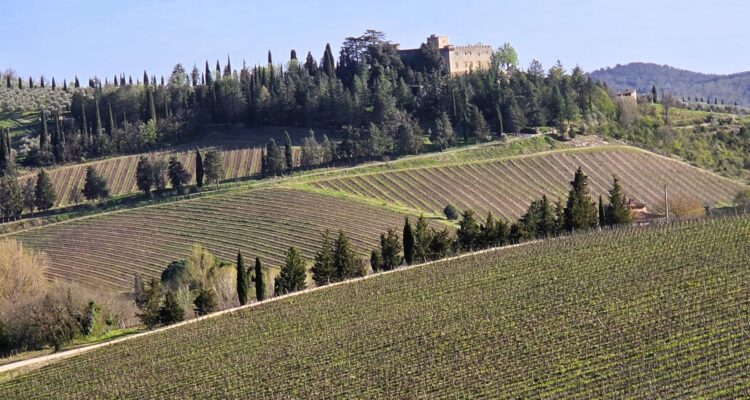
It’s mid-afternoon in the first full flush of spring. The sunlight is bright on the vineyard-studded landscape beneath the windows of my room in a Medieval tower in Tuscany. The castle tower dates from the year 1256.Now, in 2026, my room is fully updated, simply and comfortably furnished.
I’m at Castello di Meleto, an estate so deeply embedded in this part of Tuscany that the Chianti River, which gives the region its name, runs through the property. Today the castle is the headquarters for a winery surrounded by vineyards with an excellent osteria and several different lodging possibilities: rooms, villas and apartments. The castle is in the Gaiole sub-region of Chianti Classico, an area known for fresh, vibrant wines, roughly equidistant from Florence and Siena.
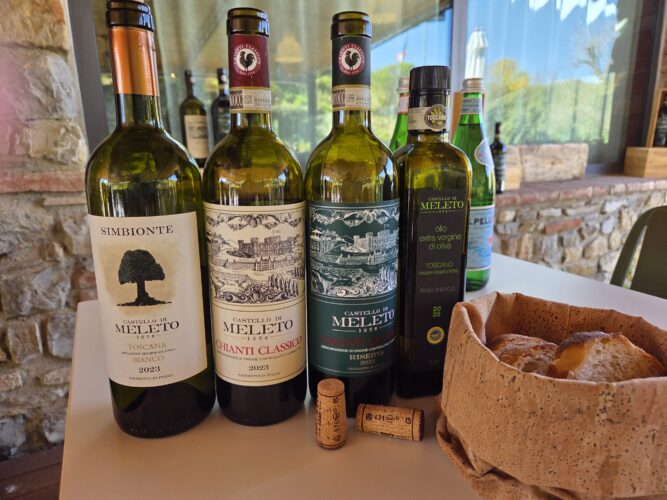
At Castello di Meleto, each wine and vineyard has its own story, which visitors can learn about during a range of winetastings, as well as tours of the vineyards, the castle and its grounds. The majority of Castello di Meleto’s wine is exported (up to 85%); the US is the top market, along with Australia, South Korea and several Far Eastern countries.
Though this estate is at least 770 years old, it’s thoroughly modern-facing today, with its own wine club. I was surprised to learn about the extent of the international hospitality (yes, weddings, too) at this property; however the experience I had at Castello di Meleto felt authentically Italian—and I’ve been spending time in Italy since I was a child.
Before we get to the wines, I’d like to mention my satisfying lunch and dinner with samplings of local, Tuscan dishes such as the classic ribollita bread soup; fusilli with parmesan cheese, scattered with pine nuts from the coast of Tuscany; pici with fresh cherry tomatoes and a locally-grown vegetable called aglione which is sort of a cross between garlic and leeks (I’ve seen it called both), garnished with fried capers; fusilli with a sauce of shredded, stewed chicken, nice on a chilly spring night.
For dessert after dinner, I had an apple tarte, chosen perhaps because Meleto reminded me of the Italian word for apple (mela). It was accompanied by small glass of the estate’s grappa, with woody (possibly appley?) cinnamon notes from its barrique ageing. Note: Castello di Meleto also produces its own gin.
THE WINES
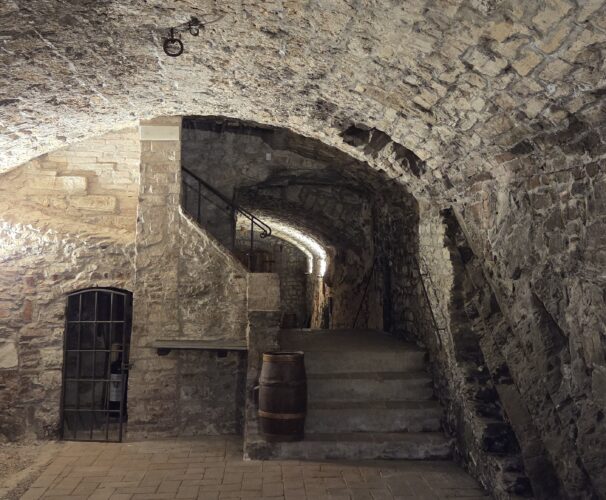
Tales of the historic castello and its vineyards were woven through the wine tasting—places I could picture because I’d visited them the day before, a tour I highly recommend. Castello di Meleto produces a range of wines, several excellent, modern Chianti Classico wines, some at the highest Gran Selezione level. They also make wines with other classifications, such as IGT (Indicazione Geografica Tipica), which allows a producer more freedom in production methods and in using specified regional grapes in single variety or blended wines.
My winetasting opened with a glass of sparkling wine, a favorite European welcoming tradition. This was the Borgo Colto Alle Bolle Spumante Brut Rosé. The name means “harvested for the bubbles.” Castello di Meleto grapes are used, but it’s produced Conegliano in Veneto, where they perfected the charmat method to make prosecco. However, this is not a prosecco, it’s a 50-50 blend of sangiovese and pinot noir, lively on the tongue and an interesting golden copper color in the glass.
Next, we sampled the 2020 Castello di Meleto Gamboi IGT Toscana Rosso, a deep red, aromatic wine made with 100% malvasia nero. This historic grape is so rare and so demanding to grow, that of the 500-odd wineries in this region, only ten or fifteen cultivate it. One estate field was turned into a vineyard and planted with malvasia nero about thirty years ago. Before that, from the Middle Ages until the latter part of the 20th century, the field was used to pasture bulls for breeding oxen. Camboi is the shortened version of Campo dei Buoi, the field of oxen.
The 2020 Vigna Casi Chianti Classico Gran Selezione DOCG is made with selected parcels of Sangiovese grapes from the Casi vineyard. The micro-climate in this vineyard is tempered by surrounding forested land. Some of the vines are bush-trained, an ancient form of growing grapevines literally as small bushes, not supported by wire trellises as in the modern era. With its cherry and black fruit flavors, a vegetal touch and noticeable tannins on the finish, this is a wine for long ageing.
Trebbio is a relatively new wine for Castello di Meleto, produced only since 2018. The 2020 Vigna Trebbio Chianti Classico Gran Selezione DOCG is made with sangiovese grapes from a vineyard where there are also two historically-important grapes traditionally used in Chianti wines: ciliegiolo and colorino. Castello di Meleto is committed to maintaining them for the sake of biodiversity, though they are currently used much less than in the past. This wine is refined and minerally, with mature red fruit and tannins that blossom on the end-palate.
For me, the standout wine of the tasting was the 2020 Vigna Poggiarso Chianti Classico Gran Selezione DOCG. The grapes are harvested from a vineyard of albarese and galestro soils, rich with limestone and minerals, retaining summer heat at night. The fruit is bright, though the wine on the whole feels dry, augmented by touches of minerality and herbs. The wine is full, focused and well balanced.