
A new sophistication about wine is emerging in China, where only a few years ago it was common to see people at banquets mixing Coca-Cola or Sprite with their Great Wall red. At first Chinese wine drinkers gravitated to status purchases of wine from the great châteaux Bordeaux, but now
Palate Press was well-represented among the winners at this year's Louis Roederer International Wine Writers' Awards. Columnist Erika Szymanski was awarded the Emerging Wine Writer of the Year award and columnist Evan Dawson won the International Wine Book of the Year award for his book, Summer in a Glass: The
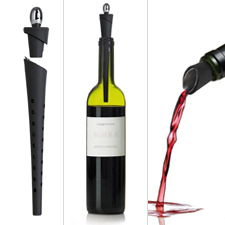
If you open more than a few bottles of wine per week, it’s probably already too late. No, I’m not talking about your health or your sanity, but about your kitchen drawers. They're likely choked with wine paraphernalia—gizmos to open wine and to serve it, to pour it and store
They used to call it tokay or tocai friulano, but because of European restrictions on words that can identify a wine (think "Champagne," for instance), the grape became known as simply "friulano," to appease the Hungarians of Tokaji. Whatever one wants to call it, it is a delicious wine, one
Do you really know what the 1961 Latour you purchased from an online buyer will taste like? And if the flavor is slightly off, will you blame the age or storage conditions of the wine or something more nefarious? Wine counterfeiting has been happening for over a century. During a
Marco Pasanella's life is filled with more drama than most of us experience, and no doubt there is ripe material for a book. The problem with Uncorked is that it suffers from an identity crisis. Is it a memoir? A stirring drama? A how-to on building the retail store of
When I moved to the Willamette Valley in 2009, I had little knowledge of a simmering disquiet, obscured by rolling hills of pinot noir vines. In a region renowned for elegant red wines the cause for such fuss was, surprisingly, a white Pinot Noir wine—though, one produced using red grapes.
What information does the consumer want from the wine he's about to drink? Today's labels include the alcohol percentage, sometimes a little tasting note or some generic information on the winery—and more often than not the "contains sulfites" statement. Is this really enough or does the consumer want more information?