

Champagne and Sparkling Wine: The Origin Story
Most people think French sparkling wine originated in the Champagne region. Most people would be wrong.
But wait, didn’t Dom Perignon invent champagne, in the north of France?
Sort of.
Or did French sparkling wine originate years before, in the south of France, in Limoux?
Also, sort of.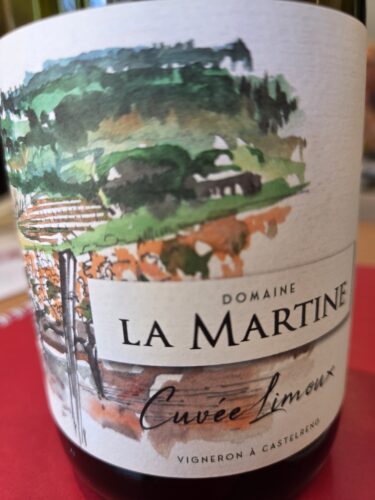
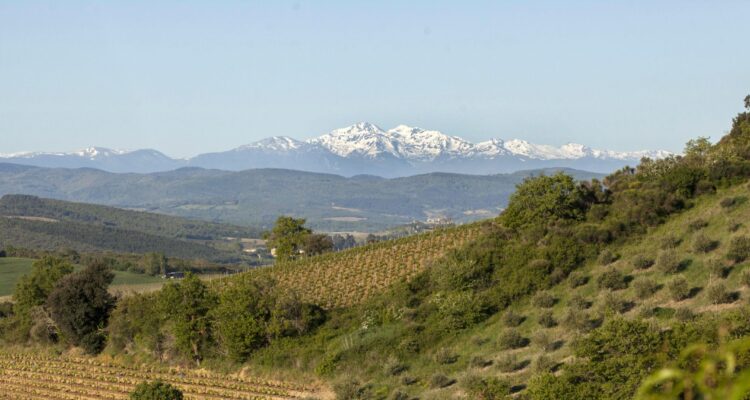
The first recorded trade in sparkling wine is from a small wine region in the South of France. It’s from Limoux, a hilly area in the Languedoc, about 45 miles inland from the Mediterranean. This happened in 1544, close to 500 years ago.
If you’re keeping track, the monk Dom Perignon, famed for “inventing” champagne, did not begin working in the vineyards of the Hautvillers Abbey in the Champagne region until 1668, over a hundred years later. (And yes, he is responsible for regulating and improving sparkling wines in that region.)
Returning to sparkling wine in the 1500s, it might help to know that sparkling wine can be produced anywhere. Anywhere in France, anywhere in the world. Fun fact: champagne is a sparkling wine—specifically produced in the Champagne region of France.
Actually, the first sparkling wines would most likely have happened by accident, in any wine region. It might help to know how sparkling wines are made. Basically, grapes are harvested at the end of summer or in the fall, then fermented by yeast, which converts the grape sugar into alcohol.
One by-product of fermentation is carbon dioxide—yes, the same stuff that makes soda and beer fizzy. In the past, most wines were fermented in open containers. So the small amount of carbon dioxide produced by the yeast dispersed harmlessly into the air. The finished wine was still wine (not fizzy).
Centuries ago, in the fall, when winemakers believed the fermentation process was complete, wine that was not consumed immediately would have been placed into a cool storage area for the winter, perhaps a cave or a cellar.
Sometimes the fermentation process was not complete. It just stalled because the weather (and the wine) became too cold, so the yeast went dormant. When the wine warmed up in the spring, the yeast “woke up” and went back to work, fermenting the rest of the grape sugar into alcohol. In situations where there was fairly tight lid on a container of wine, the carbon dioxide remained in the liquid and made it fizzy.
For centuries, fizzy wine was less than desirable. Who knows why, but for one thing, there was a little less alcohol in the wine when the fermentation was incomplete. Anyhow, at some point (in some locations) people discovered that certain wines were better, and/or more fun to drink with bubbles than without. Some wine producers in these areas made the effort to fasten a top onto the wine containers, and preserve the fizz. As a bonus they could probably sell their wines at a premium.
In the south of France, by the mid-1500s, sparkling wines were being produced and traded by Benedictine monks at the abbey Saint-Hilaire. There was little communication between the south and north of France at that point in history, and historians have no evidence that sparkling wine production in Champagne was a direct result of its existence in Limoux. History now shows that Limoux’s sparkling wine trade was the earliest recorded in France.
If you’re curious what the early wines were like, there’s been a revival of the ancient wine style sparkling wines in Limoux. Of course modern style sparkling wines are also produced there too. Here are three sparkling wine styles from Limoux you can try:
- Limoux Méthode Ancestrale AOP wines are made in the original, historic method. The wine is bottled when the winter is over and the weather begins to warm. Specifically in March, as the moon wanes. Which is when the yeast re-awakens and continues fermenting the wine in each (closed) bottle, keeping the bubbles in the liquid. Made with the local, white mauzac grape, the finished wine contains a very small amount of natural grape sugar.
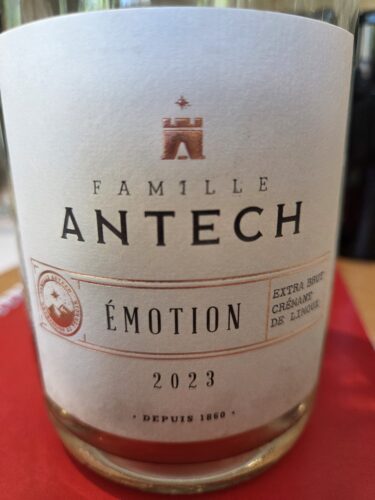
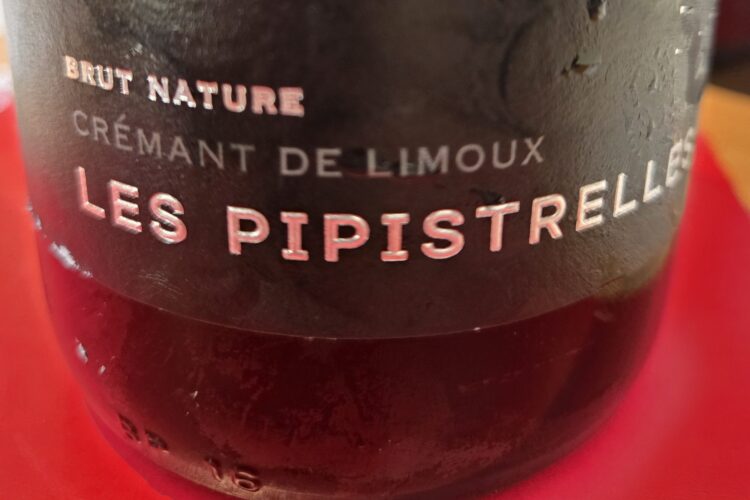 For a sparkling aperitif wine, the dry AOP Crémant de Limoux is one of France’s eight top crémant wines, designated as such in 1990. Made primarily with chardonnay, it can be blended with chenin, mauzac and/or pinot noir.
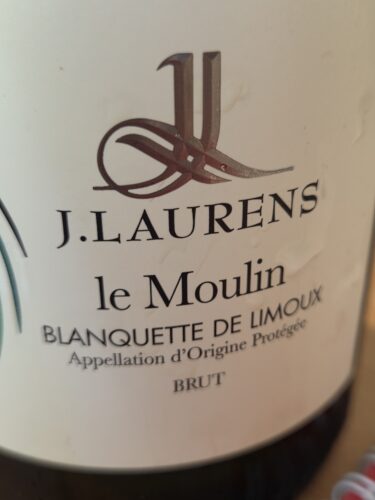
- A wine to drink either before or during dinner, Blanquette de Limoux AOP is made with white grapes: mauzac, as well as some chardonnay and chenin. It is a dry sparkling wine with floral and green apple notes, recommended as an accompaniment for a meal. Both the Blanquette de Limoux and Méthode Ancestrale wines were incorporated into France’s regional AOC [now AOP*] designations in 1938, soon after the system’s creation.
*Earlier this century, France’s AOC, or Appellation d’Origine Contrôlée term was technically changed to the EU-wide designation of AOP or Appellation d’Origine Protégée; both indicate a protected designation of origin for quality foods as well as wines. However, French wines received an exemption, and either AOC or AOP can be used to indicate the place and quality of origin. (Not confusing at all, is it?)