

Go for the Wine, Stay for the Food
Discover an Artisanal Food Revival in Roero, an hour’s drive from Milan [Roero, Part I]
Castles and Hazelnuts
Yes, I was a little out of breath after reaching Castello di Monteu, a 12th century castle topping a steep hill in Piedmont’s Roero region, about 1-1/2 hours west of Milan. An impressive fortification, looking out over the lush, green countryside.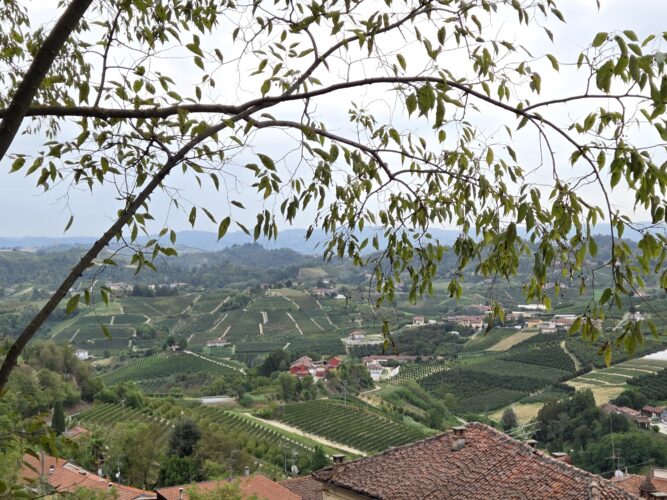
And what about the food and wine this bountiful land produces? In Roero, I met younger people (in their 20s, 30s and 40s) who are revitalizing traditional agricultural practices for their wines and foods, and the people all seem as connected to each other as they are to the land.
I was part of a small group of media invited to Italy to learn about the DOCG-quality white and red wines of Roero. We were hosted by the regional wine consortium (Consorzio Tutela Roero), who included an amazing number of food-related experiences during our visit.
Here at the hilltop castello, we had a wonderful view of the area’s fields, forests and vineyards. This countryside is at the edge of the foothills of the Alps, which protect the rich cultivated lands from harsh northern weather.
Inside the castle’s thick, stone walls, local guides proudly displayed the buildings’ evolution from medieval fortress to renaissance castello, to private residence for nobility. We marveled at painted ceilings in the elegant rooms, Murano glass chandeliers brought overland from Venice, and a full library of books from as early as the 1500s. The castle is gradually being renovated after being purchased by the Piedmont-based Berta Distillerie drinks company in 2012.
As a treat, at the conclusion of our castle tour our hosts invited us to meet a young hazelnut farmer, Elettra Guiseri. We gathered around a large, antique wooden table as Elettra told her story, and with a shy smile, offered us samples to taste. The first of our food-immersion encounters included succulent, whole toasted hazelnuts as well as her own chocolate-hazelnut spread. 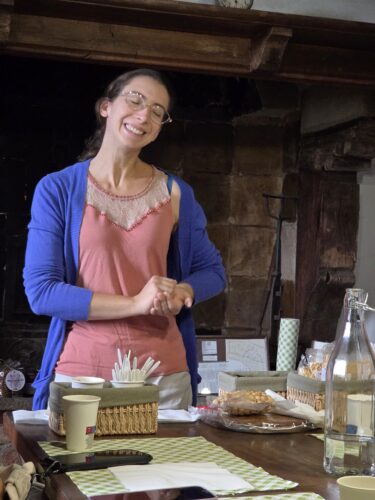
Elettra had moved back to Roero from Torino to cultivate the hazelnut trees she’d grown to love while visiting her grandparents during school holidays. This area is known for its EU-protected designation (IGP) hazelnuts. Elettra has developed new farming processes for the hazelnut trees (technically bushes) which can only be harvested when the nuts fall to the ground; the harvest had just finished this year, in mid-September.
In addition to IGP Piedmont Hazelnuts (Tonda Gentile Trilobata), Elettra grows other prize crops such as chestnuts and saffron. She sells directly to consumers at farmers’ markets and at the agriturismo (farm bed-and-breakfast) she named for her grandfather, L’Ottavo Sapore.
Honey for All
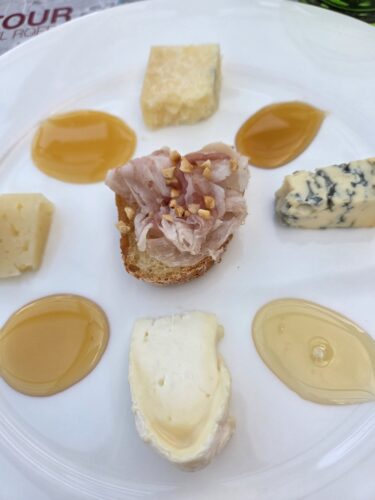
One afternoon, we met a young beekeeper, also inspired by his grandfather. Successful from a very early age, young Nicolò Palladino is passionate about the power and importance of beekeeping; he makes regular appearances at local schools, especially every May 20th which is, of course, World Bee Day.
Nicolò’s small company is called I Gherbin, which means “the beehives” in local Roero dialect. His hives pollinate the surrounding area, his luscious honey is for sale in markets and wineries, and his mother even made us a wonderful honey cake at their home.
Surrounded by Goats
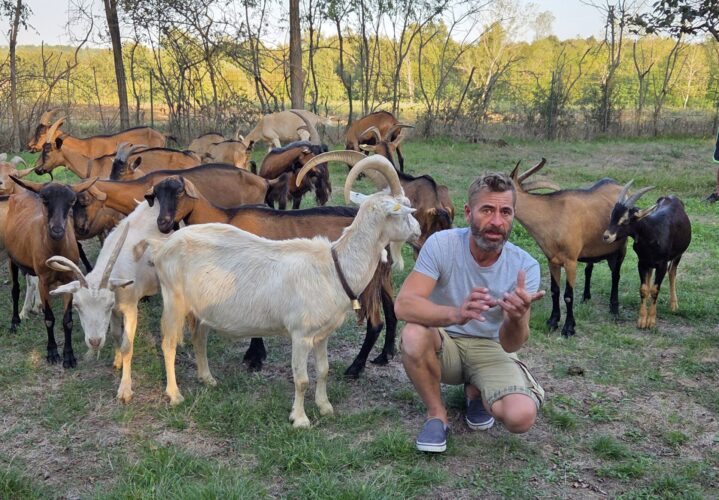
One afternoon we found ourselves in a pasture, surrounded by a herd of curious, small alpine goats. They nuzzled into us, asking for us to pet their smooth coats. Brothers Roberto and Paolo Pertusio treat their goats like individual treasures, and it was so much fun to have these delightful, calm animals swirling around us. VIDEO
One brother taught us how to milk the goats, which they do in order to make cheeses, many of which are supplied to fine restaurants, in addition to being for sale locally. The brothers’ company I Pastori del Roero is part of the important Slow Food association; they are passionate about animal welfare as well as finely crafted foods. And yes, when you go, you too can have a forest walk with goats as well as a cheese tasting, because the brothers zealously share their knowledge and way of life with everyone who visits.
A Smiling, Truffle-Hunting Dog
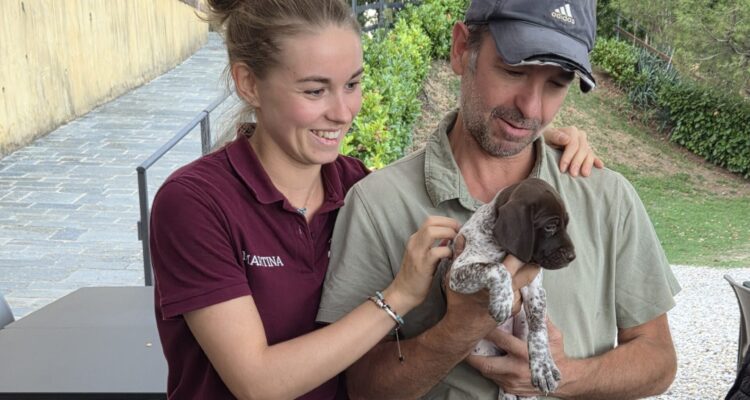
Hedwig couldn’t be happier romping around the forest, speedily sniffing out the aromatic black truffles growing at the base of random treetrunks. She got dog treats and we got the truffles, all carefully managed by Hedwig’s owner and trainer Luca Aloi. Hedwig is a German shorthair pointer, one of the few breeds employed in truffle hunting. It takes a long time to train a dog, and Hedwig’s recent (adorable,floppy-eared) puppies have been trained almost from birth to seek truffle scents. By the way, Luca’s wife and grown children are also registered truffle hunters, with their own truffle dogs, also named for Harry Potter characters.
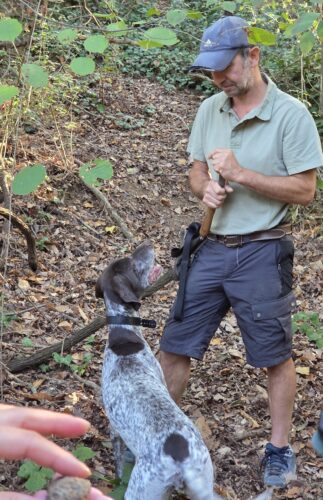 To get to the forested areas managed by Luca and his family, we made our way down through the woods on paths of fine, light sea sand, a startling reminder that this land was underwater millions of years ago. Truffles only grow under certain trees, and certain sections of the forest can encourage them. In designated areas, new trees can be planted, and the ground around the tree roots can be inoculated by the owners or managers of the properties. This only works because the trees, the formerly-ocean soil, and the climate are a trifecta of perfect growth medium for truffles.
Different types of truffles grow at different times of the year, in addition to the famed white truffles of Alba that mature later in the year. On our afternoon in the woods, Hedwig excitedly found us a handful of early autumns’ seasonal black truffles in a very short time, which added earthy pungency when grated onto tajarin, the rich, egg, Piemontese pasta. We all wolfed it down at dinner on the patio, at the Aloi family’s nearby restaurant, Azienda Agricola Aloi Luca – Andar per Tartufi. 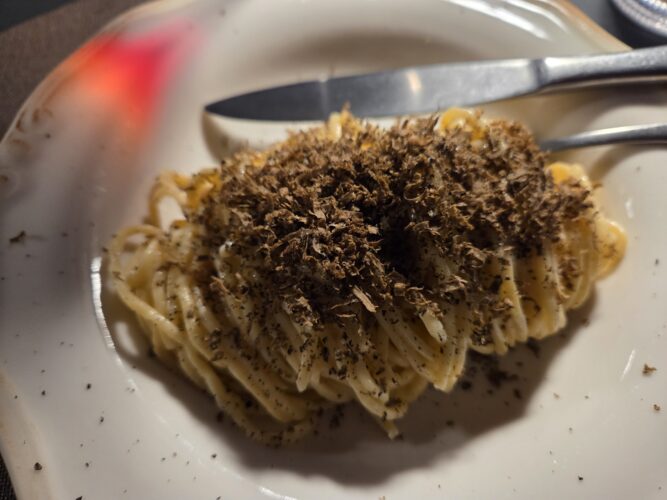
The Secret of Artisanal Gelato
By the time we got to the gelato-making experience, the anticipation had our mouths watering. (For some reason, this was scheduled right before lunchtime.) Chef Thomas Balocco is another locally-born person who returned to his roots after cooking in various Italian regions and in Ireland. He is now head chef at Ristorante Marcelin where we later had our wonderfully elegant lunch.
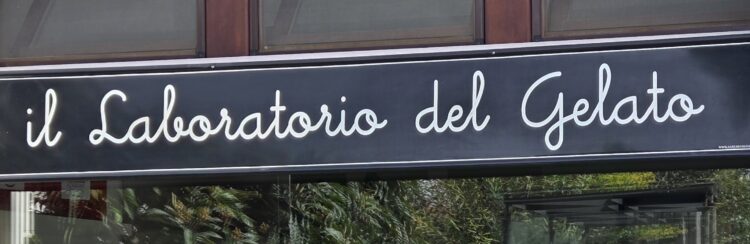
Before that, at the casual, sister restaurant and ice cream parlor Bistrot Art-é Cremeria we were educated about the philosophy and processes for both their milk-based and fruit-based gelatos: choosing the perfect ingredients, and the important dual-freezing process that creates mouth-watering textures. More importantly, both types of ice creams were created before our eyes—and then generous tastes were dished out.
OVERALL, during the week we spent in Roero in September, I was fascinated by the revitalized culture in this small corner of Italy, driven by the authenticity of younger people and their products.
_________________