

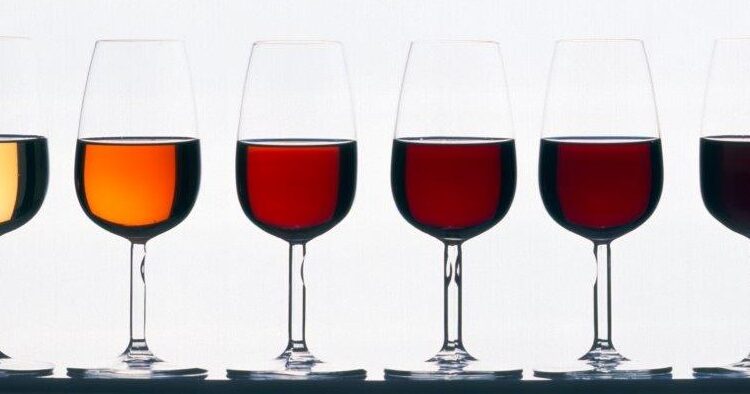
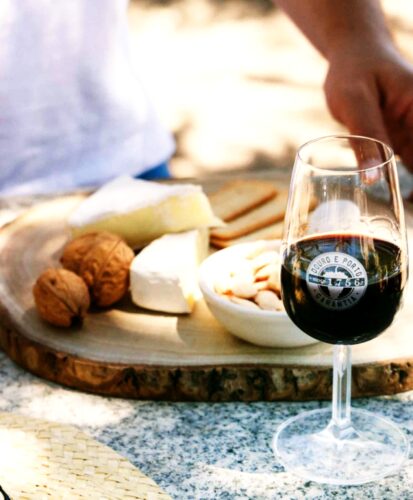
- Port can be dry or sweet, red or white—even rosé. All styles pair well with toasted walnuts, dried fruits, blue cheeses.
- Before a meal, sip dry ports: white or rosé.
- Tawny ports are great for teatime, or the cocktail hour.
- Ruby and Vintage ports are the sweetest, save them for afterwards.
- Port-based cocktails are lower in alcohol than traditional cocktails. Port has a little more alcohol than normal table wines, but about half the amount of most spirits or liquors.
- Port is a wine, specifically a fortified wine.
- Port is a great value. Especially for a fine wine that’s been produced for nearly 350 years.
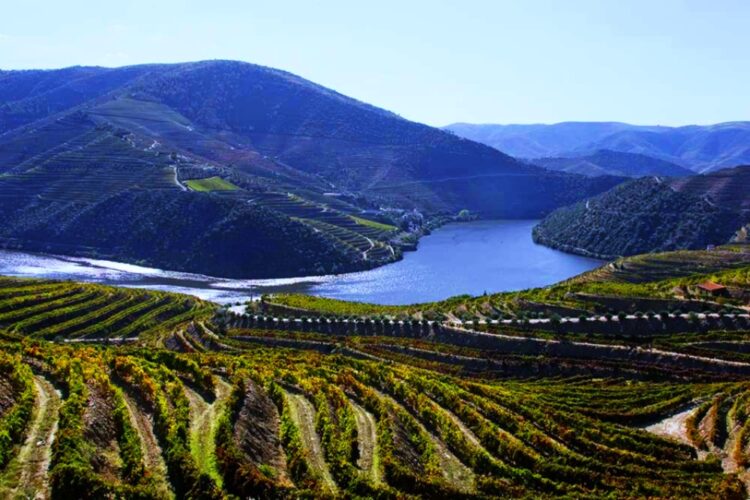
- Port is produced in the northern part of Portugal, along the Douro River.
- Pour a little glass of port for yourself any evening. An opened bottle of port keeps in the fridge for weeks. (Except Vintage ports; those are social wines where you want a bunch of people around to enjoy it that night.)
- Most people are afraid of Port—needlessly. You don’t have to be, now that you know something about it.
PORT STYLES: All port is either aged in bottles or in wood (aka barrels or casks).
BOTTLE-AGED
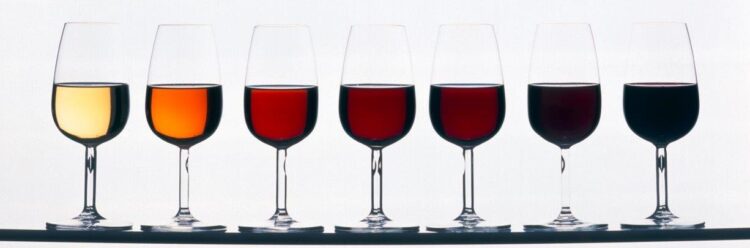
Ruby is red, young, vibrant and sweet, the best of a recent vintage.
LBV [Late-Bottled Vintage] is an elevated ruby, aged in wood for 4-6 years, then bottled when it’s ready to drink.
Vintage port is produced only in exceptional years when it can become a complex wine, ageable for up to 100 years. Traditionally, vintage port was always aged in bottle for at least twenty years before drinking. The result of recent improvements in viticulture and production means some vintage ports are lovely after much less time in the bottle.
WOOD-AGED
White ports vary in color from pale straw to deep gold, depending on how many years they spend in wood (barrels or casks)
Tawny ports are generally made in non-vintage-declared years; they may be blends of different years and are aged for a minimum of 10, 20 or 30 years in barrels, which gives the wines the tawny color in their name.
Colheita ports are single-vintage tawnies aged in barrels for at least 7 years; each vintage has its own unique characteristics of aromas and flavors.
Use this link to learn more about port wine and its history—and where to taste port in Portugal.
Images courtesy of Instituto dos Vinhos do Douro e do Porto