


I write a lot about natural wines, which leads to two frequent occurrences: 1. People rib and pigeon-hole from time to time. I take it with good grace, occasionally pointing out that my interests and drinking tastes go beyond funky smelling cloudy swamp-juice. 2. A need to defend the positive
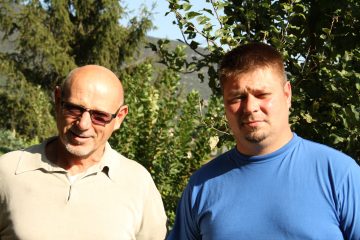
With the loss of Stanislao “Stanko” Radikon on September 11th 2016, the wine world lost one of its most dynamic pioneers. The news was announced to the world with a poignant message from his son Saša, on social media: “Tonight I missed a friend and collaborator. But most of all,

I admit it, I've become obsessed by mouse taint. If that seems strange or perverse, let me expand. Most wine faults in this day and age are pretty well understood. We know a fair bit about Brettanomyces, volatile acidity, reduction and many other common complaints. Not so with the stray rodent
I write a lot about natural wines, which leads to two frequent occurrences: 1. People rib and pigeon-hole from time to time. I take it with good grace, occasionally pointing out that my interests and drinking tastes go beyond funky smelling cloudy swamp-juice. 2. A need to defend the positive

It's that time of year again. This week we will be running our favorite articles from Palate Press staff writers. In this piece, Born Digital Wine Award-winner Simon Woolf ruminates on wine and beer "faults." Brettanomyces and volatile acidity – these are a few of my favorite things. No really –
Brettanomyces and volatile acidity – these are a few of my favorite things. No really – in the past month I've enjoyed both a wine and a beer that managed a perfect fusion of the two. Let me explain, lest you think I've gone clean out of my senses from
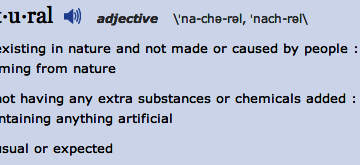
Is there a single word that's caused more controversy and argument amongst wine connoisseurs/geeks/lovers than “natural”? At least recently, I doubt it. The debate about “natural wine” has raged for a good few years now. During that time, zealots and detractors have nailed their colours to the mast so frequently