Palate Press has selected our top ten stories from 2012 and will publish a 2012 Redux article each weekday until January 4, 2013. These stories highlight our featured columnists, widely recognized contributors, and most popular works published through the year. The Palate Press editorial board hopes you enjoy these highlights as we look
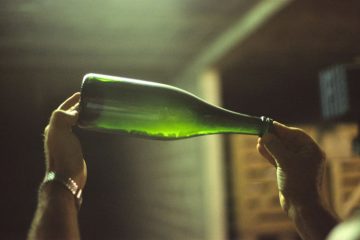
Traditional wassails were—and still are, I suppose—seasonal hot drinks made with wine or beer, sugar, spices, eggs, and bits of toast floating on top. Today, we’re far more likely to find toasty, bready flavors in a more fashionable (and still seasonally appropriate) beverage: methode champenoise sparkling wine. How those characteristic
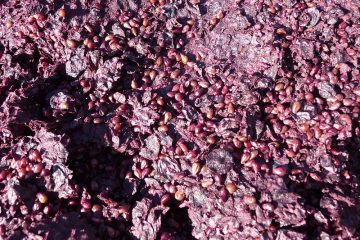
It’s a self-evident truth, not to mention a basic principle of homeostasis, that what goes in must come out. Around this time of year, huge trucks full of grapes go into wineries. Months or years later, the bottles of wine that come out of those wineries look a lot smaller
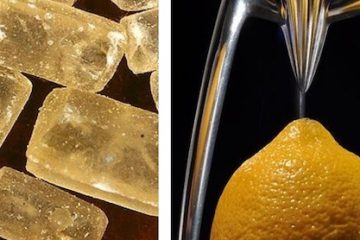
People who concern themselves with "consumer acceptability" of fruit know that sugar is a pretty good predictor of how consumers will feel about a given apple or grape or orange; the more sugar (that is, the higher the °Brix level), the more people like the fruit in question. But the
Palate Press was well-represented among the winners at this year's Louis Roederer International Wine Writers' Awards. Columnist Erika Szymanski was awarded the Emerging Wine Writer of the Year award and columnist Evan Dawson won the International Wine Book of the Year award for his book, Summer in a Glass: The
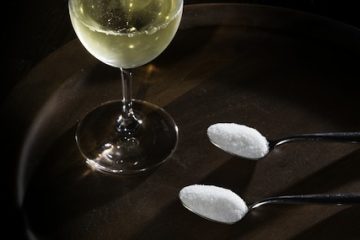
Residual sugar seems like an obvious concept. Residual sugar. Sweet stuff, left over. In wine. But like many concepts in the wine world, it’s not that simple. Yeast eat sugar to make alcohol. This much we all know. So why would the yeast stop before all the sugar is gone?
By asking if you’re wine intolerant, I’m not asking whether you’re one of those folk who can’t stand walking into a wine shop, or watching your host spend minutes perusing the wine list at dinner, or listening to (so-called) wine-snobs describe the contents of their glasses in detail. You probably
By Rob Tebeau Originally published in Palate Press: The online wine magazine Many wine enthusiasts are aware that cabernet sauvignon is the result of a crossing that happened long ago between sauvignon blanc and cabernet franc, but have you ever wondered just how we know that? Why do we know